

Last Updated: November 5, 2026
Quick Summary
Most people need two microblading sessions: the first lays in the pigment, and a follow-up several weeks later, after healing, fills gaps and sharpens the shape. Skin type, existing brow work and aftercare can change the count, so a consultation gives the most accurate number.
- Most clients need two microblading sessions, with the second scheduled about 4-6 weeks after the first.
- Skipping the follow-up session is the most common reason results look patchy or faded.
- Oily skin or thick, textured skin can lose pigment faster and may need an extra session.
- Previous or faded brow work usually takes more sessions to correct than a fresh start.
- Get the session count from an in-person consultation rather than over the phone.
Table of Contents
- Why Most Microblading Takes Two Sessions
- What Happens in the First Microblading Session
- Timing the Microblading Second Session Healing Time
- What Changes the Number of Sessions You Need
- How Long Microblading Lasts and When Touch-Ups Make Sense
- Microblading Touch-Up Cost and What to Ask Your Artist
- Alternatives to Microblading If Sessions Aren’t Right for You
- Booking Your Consultation at iBrow & Beauty Boutique Inc.
- Frequently Asked Questions
Why Most Microblading Takes Two Sessions
Most people need two microblading sessions, not one. That’s the short answer most brow artists give. The first visit lays the pigment in. The second visit, after healing, fills in what didn’t take and sharpens the shape. Skipping the second visit is the most common reason results look patchy or faded.
Here’s why the two-step process exists. Pigment settles differently in every client’s skin. Some skin holds color well, while oily or very thick skin often lets it fade faster. A single session rarely gives you a finished, even result, so the follow-up is part of the plan, not an extra.
A common mistake is booking the second session too early or waiting too long. Your artist will tell you the right window, and it depends on how your skin heals.
What Happens in the First Microblading Session
The first session is where your brow shape gets designed and the strokes go in. Expect a consultation first. A consultation can look at your natural brow line, your face shape, and the look you want.

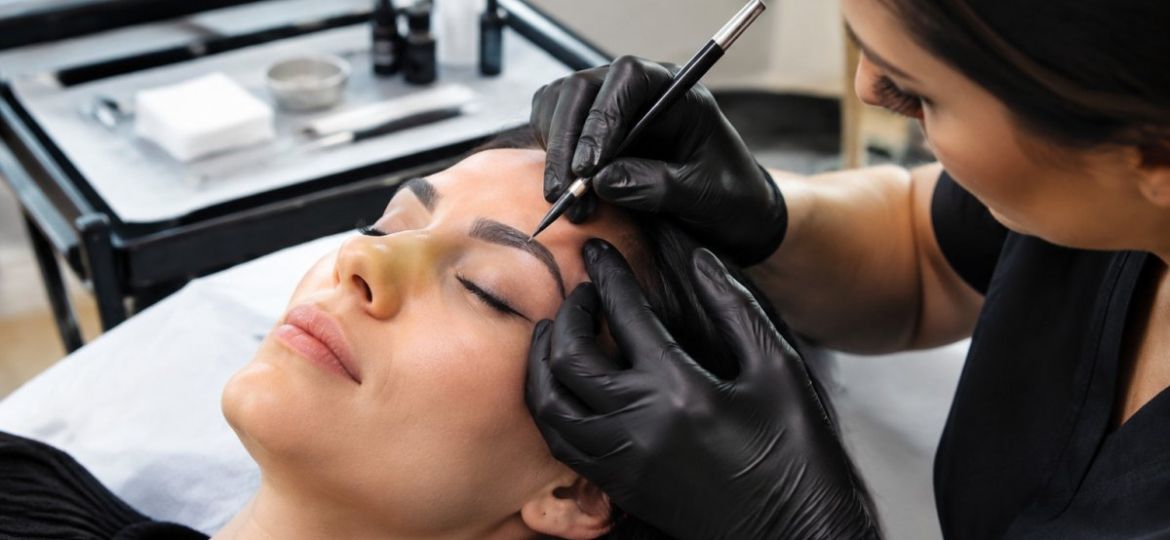
The artist then creates fine, hair-like strokes with a handheld tool. Most people leave with brows that look darker and bolder than the finished result. That’s normal. The color softens as the skin heals.
Watch out: the first session is about the foundation, not perfection. Judging the final color on day one leads to unnecessary worry.
Timing the Microblading Second Session Healing Time
Your skin needs time to heal before the second visit. The follow-up is typically scheduled several weeks after the first session, once the skin has healed enough to show its final color. During this window the skin sheds the top layer, and the true color and pattern become visible.
Use this timeline to plan:
| Stage | Typical timing | What to expect |
|---|---|---|
| First session | Day 1 | Strokes applied, brows look dark |
| Early healing | Days 1-7 | Scabbing, tenderness, color looks heavy |
| Settling | Weeks 2-4 | Color softens and fades unevenly |
| Second session | About 4-6 weeks | Gaps filled, shape refined |
Keep the area dry and avoid picking at any flaking. Protect the brows from sun and sweating, and follow your artist’s aftercare instructions closely.
What Changes the Number of Sessions You Need
The standard plan is two sessions: the initial appointment and one follow-up. But “standard” is not “universal.” Some clients need a third appointment, and some may need only one. The difference comes down to how your skin holds pigment, how much existing work is on the brow, and what result you are trying to reach. Here is how each factor actually changes the count.
Skin type and oil production. Oily skin and large pores push pigment out faster during healing. Oily skin or thick, textured brow skin can retain less pigment from the first pass, which may mean an additional session is needed to build even density. Dry, normal skin usually holds the initial strokes well enough that one follow-up finishes the job.
Pigment retention during healing. Some clients shed more pigment in the first two weeks than others. If the follow-up reveals large gaps or a washed-out tail, the artist may recommend a third appointment rather than overworking the skin in one sitting. Overworking already-healed skin in a single session raises the risk of scarring and blurring, so a staged approach is often the safer choice.
Existing brow work. If you have previous microblading, powder brows, or older cosmetic tattooing that has faded to gray, blue, or an uneven shape, correction usually takes more sessions than a fresh start. Layering fresh warm pigment over cool, faded work can produce a muddy tone, so the artist may need one session to neutralize or lift the old tone and another to build the new shape. Correction work is a different process from a standard touch-up, and the count should be quoted after an in-person consultation, not over the phone.
Sparse brows and desired density. Clients with very sparse natural brows often want more density than a single pass can deliver without looking blocky. Building density gradually across two or three sessions gives the artist more control over stroke pattern and avoids a heavy, painted look.
Aftercare and lifestyle. Sun exposure, sweating, sauna use, and active skincare ingredients such as retinoids can speed fading. Clients who cannot avoid these exposures during the healing window are more likely to need an extra color boost. Following aftercare instructions closely is the single most controllable factor in whether a second session is enough.
Pigment color choice. Very light or very dark pigment choices can behave differently on the skin. Light pigment may need an extra pass to show evenly, while dark pigment can look too heavy if over-applied in one session, so the artist may spread the work across visits.
A touch-up is not always the right fix. If the color has shifted badly, the shape is wrong, or the skin has not fully healed, adding more pigment is the wrong move. In those cases you need correction work or a waiting period, not another standard touch-up. Ask your artist to tell you honestly which one applies before you book.
Initial treatment versus lifetime maintenance. It helps to separate two different questions. The initial treatment plan is usually two sessions, sometimes three, and it ends when the healed result is stable. Lifetime maintenance is a separate schedule of annual or biannual refreshes that has nothing to do with whether the initial plan was two sessions or three. A client who needed three sessions to finish the initial result is not committed to three sessions every year afterward. Maintenance is generally lighter and less frequent than the initial build.
Anyone who promises an exact number before seeing your skin and your existing brow work is guessing.
How Long Microblading Lasts and When Touch-Ups Make Sense
Microblading does not last forever. The color fades over time as the skin renews itself, and the rate depends on skin type, sun exposure, skincare, and lifestyle. Many clients need a color boost after the initial treatment, though the exact timing varies. The more useful skill is telling the three types of follow-up visits apart, because they have different purposes, different timing windows, and different prices.
Touch-up (the second session of the initial plan). This is the follow-up that completes the initial result, usually scheduled about 4 to 6 weeks after the first appointment. Its job is to fill gaps, even out density, and refine the shape once the skin has healed enough to show what actually stayed.
Annual refresh (maintenance). This is a color boost to keep healed brows looking defined over the years. It is lighter and shorter than the initial sessions, and it is scheduled when the brows look patchy or lighter than you want, not on a fixed calendar date. Annual or biannual refreshes are often enough for clients who protect their brows from sun and follow aftercare. A refresh is not a correction, and it should not be used to fix a shape you are unhappy with.
Correction work. This is a different process aimed at fixing poor shape, shifted color, or old work from an earlier treatment. Correction may require neutralizing cool or gray tones before new pigment goes in, and it often takes more sessions than a standard touch-up. It should be quoted after an in-person assessment, not over the phone.
When a touch-up is not appropriate. Do not book a touch-up if the skin has not fully healed, if the previous work is still visibly dark, or if the color has shifted to a tone you did not expect. Adding pigment over unhealed skin or over saturated old work can cause blurring, scarring, or a muddy result. If you are unsure, consult a qualified practitioner before booking. A short wait is almost always safer than an extra pass.
When to book. Book a touch-up when your brows look patchy or lighter than you would like, and book a refresh when the overall definition has softened. You do not need either just because a few months have passed. If the shape is wrong or the color has shifted badly, ask about correction work instead of a standard touch-up.
A practical timeline. Consultation and patch test, then first session, then a healing window of about 4 to 6 weeks, then the touch-up, then another short healing period, then an assessment of the healed result. From that assessment you can plan maintenance refreshes. Keeping this timeline in mind prevents the most common scheduling mistake, which is booking the next visit before the skin has shown its final color.
Microblading Touch-Up Cost and What to Ask Your Artist
For current pricing, visit the iBrow & Beauty Boutique Inc. website.
When you consult with any artist, ask these questions:
- How many sessions do you expect me to need?
- What is included in the touch-up, and is it priced separately?
- How long should I wait between appointments?
- Can you show before-and-after photos of similar work, including corrections?
- What is your touch-up policy if the color fades quickly?
Clear answers to these questions help you compare providers fairly.
Alternatives to Microblading If Sessions Aren’t Right for You
If you don’t want multiple appointments, you have other options. Powder brows give a soft, shaded look. Ombre and hybrid brows blend strokes with shading for more depth.
Combo brows, which mix microblading strokes with powder shading, are a popular middle ground. You can learn more about how combo brows blend hair-like strokes with powder shading. They suit people who want definition without the fine-stroke look alone.
If you’re unsure, a consultation can help you decide which approach fits your face, skin, and schedule.
Booking Your Consultation at iBrow & Beauty Boutique Inc.
If you’re wondering how many sessions you’ll need, the best next step is a consultation. At iBrow & Beauty Boutique Inc., founder Sandra Misiaszek, an experienced educator in the skin care field, offers personalized brow services. You can explore the microblading service options and see how long results last and when to come back for a touch-up. When you’re ready, read the full microblading cost breakdown to compare what to expect, then book your visit.
Frequently Asked Questions
How many microblading sessions are usually needed?
Most people need two sessions. The first session lays down the initial pigment, and the second, usually four to six weeks later, fills in areas that faded or healed unevenly and refines the shape. Some clients with very sparse brows, oily skin, or fast pigment loss may need a third visit.
Can microblading be completed in one session?
Rarely. Microblading deposits pigment into the upper skin layers, and a portion of it is naturally shed during healing. Even when the first session looks complete, the color often heals lighter and the strokes may look uneven. A follow-up appointment lets the artist correct gaps, adjust symmetry, and deepen the color so the result matches what you see in the mirror after the final session.
How often do microblading brows need touch-ups?
After the two-session process, touch-up timing depends on skin type, sun exposure, and how quickly your pigment fades. A touch-up is not appropriate if the brows are still healing, if the skin is irritated, or if you are unsure about the shape; in those cases, wait and consult your artist first.
What factors affect how many microblading sessions you need?
Several factors change the number of visits: skin type (oily skin tends to blur strokes faster), your natural brow density, aftercare habits, sun exposure, and how your body heals. Pigment color and the technique used also matter. Clients who had earlier microblading elsewhere may need correction work, which often takes additional sessions. Your artist can give you a realistic plan after a consultation.

