

Last Updated: October 26, 2026
Quick Summary
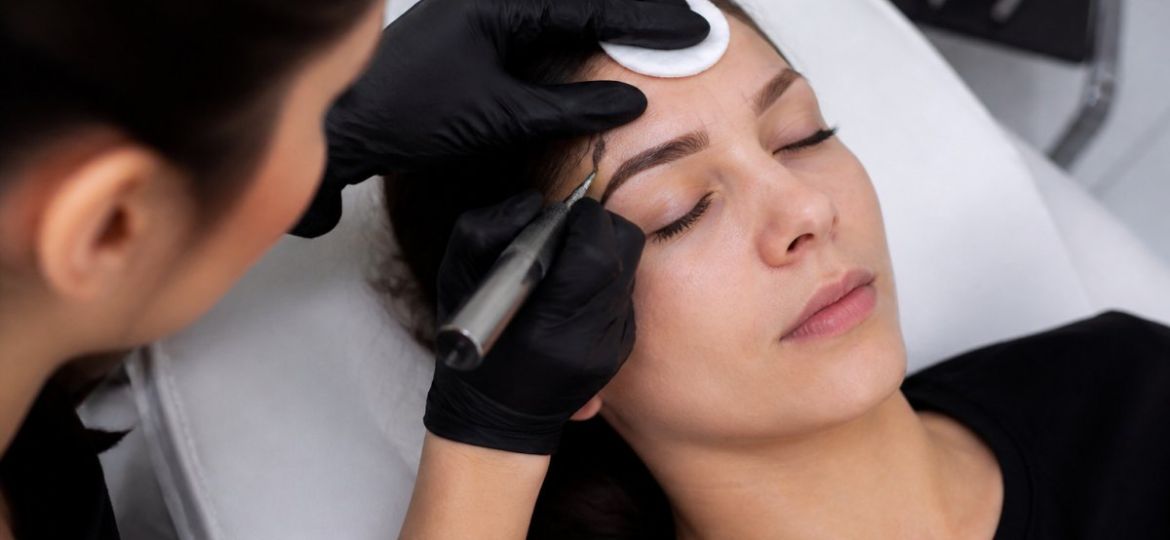
Microblading correction services address color, shape, symmetry, and density issues from previous microblading work using specialized techniques like pigment layering, saline removal, or combination brows. Correction differs from standard microblading because it requires assessing what went wrong and often involves multiple sessions to achieve the desired outcome.
- Common problems requiring correction include uneven brows, unwanted color shifts to gray or blue, over-pigmentation, and incorrect shape or positioning.
- Color correction techniques include pigment layering to neutralize unwanted tones, saline tattoo removal to gently lift pigment, and combination brows that layer microblading strokes with powder shading.
- Correction pricing is assessed per case based on number of sessions, technique complexity, removal involvement, skin condition, and artist experience rather than a standard menu price.
- Saline removal is gentler than laser and typically requires 4-6 sessions with 7-10 days healing between appointments before new microblading can be applied.
Table of Contents
- Understanding Microblading Correction Services
- Common Problems That Require Microblading Correction
- Microblading Color Correction Techniques
- When Microblading Removal Is the Right Choice
- Understanding Microblading Correction Cost
- What to Expect During Your Brow Correction Consultation
- Scheduling Your Microblading Correction Appointment
- Frequently Asked Questions
Understanding Microblading Correction Services
Microblading correction services exist because not every first attempt delivers the results clients expect. Whether your brows came out uneven, the color faded to an unflattering shade, or the shape simply doesn’t suit your face, correction is a real solution, not a cosmetic Band-Aid.
At iBrow & Beauty Boutique Inc., we understand that microblading correction isn’t just about fixing a mistake. It’s about restoring confidence in your appearance and giving you the natural-looking brows you originally wanted. Correction services use specialized techniques to address color, shape, symmetry, and density issues that resulted from previous work.
The process differs fundamentally from a standard microblading application. A correction appointment requires assessing what went wrong, determining which technique will work best, and sometimes performing multiple sessions to achieve the desired outcome. This is why choosing a skilled technician matters enormously, not every artist has the experience to correct another artist’s work effectively.
Common Problems That Require Microblading Correction
Uneven brows happen when the technician misjudges symmetry or when one side heals differently than the other. A brow that looks balanced in the chair can shift noticeably once swelling subsides.
Another frequent problem is over-pigmentation. Some clients arrive wanting darker, bolder brows, then realize after healing that the result is too intense for their daily life. Others experience allergic reactions or sensitivity to the pigment, which can cause redness, itching, or inflammation that makes the brows appear worse than the original color issue.
Shape problems range from brows that are too arched, too flat, too long, or positioned incorrectly on the face. A brow that sits too high or too low changes your entire facial expression and can’t be fixed with makeup alone. These issues require professional intervention to correct safely.
Microblading correction addresses several specific issues that arise from initial procedures.
| Problem | Cause | Result |
|---|---|---|
| Uneven brows | Technician misjudges symmetry or uneven healing | One side does not match the other |
| Gray or blue color | Wrong pigment undertones or oxidation over time | Unwanted color cast in healed brows |
| Over-pigmentation | Client requests darker brows or pigment sensitivity | Result too intense or causes redness and itching |
| Incorrect shape | Brow too arched, flat, long, or positioned wrongly | Facial expression altered, cannot be fixed with makeup |
| Pigment migration | Original application spreads beyond brow line | Pigment extends beyond intended boundaries |
Microblading Color Correction Techniques
Color correction is one of the most common reasons clients seek professional microblading correction services.
The most direct approach is color correction through pigment layering. A skilled brow artist applies a corrective pigment that neutralizes the unwanted tone.
Saline tattoo removal offers another option for color correction. Saline solution gently lifts pigment from the skin without the trauma of full laser removal.
Microblading and shading combined creates what’s called a combination brow, a hybrid technique that layers microblading strokes with powder shading. For correction work, this approach is powerful.
Some technicians use a color-blocking approach, applying a neutral or skin-tone pigment to neutralize the old color before layering the new shade on top.

When Microblading Removal Is the Right Choice
Sometimes correction isn’t the answer, removal is. If your brows are severely discolored, scarred, or the pigment has migrated beyond the original brow line, starting fresh may be the only realistic path forward.
Saline tattoo removal is the gentlest removal option. The saline solution is applied to the tattooed area, and the body’s natural healing response helps lift the pigment.
Laser removal works faster but carries higher risks for sensitive skin and can cause permanent lightening of the surrounding skin in some cases.
Full removal makes sense when the original brow is so problematic that layering correction pigment won’t produce a natural result.
The decision between correction and removal depends on how much of the original brow can be salvaged. A skilled technician will assess this during your consultation and recommend the path most likely to give you the brows you want.
Understanding Microblading Correction Cost
Correction pricing is the question most clients ask first, and it is also where most brow-service pages go quiet. The honest answer is that correction is priced per case, not per menu item, because the technician cannot quote accurately until they have seen the old pigment, the skin, and the shape.
What drives the price up or down
- Number of sessions. A single color-neutralizing pass is the least expensive scenario. A correction that requires saline lightening first, then a re-pigmentation, then a touch-up is three appointments and priced accordingly.
- Technique mix. Pigment layering alone is the simplest. Combination work (strokes plus shading) and color-blocking take longer chair time and more product, so they sit higher.
- Removal involvement. If saline removal is part of the plan, each removal session is billed separately from the re-pigmentation that follows.
- Condition of the skin. Scarred, previously lasered, or highly sensitive skin may require a patch test, a longer assessment, and a gentler protocol, all of which affect time and price.
- Artist experience. A technician who regularly corrects other artists’ work charges for that expertise. This is the one line item you should not bargain-hunt.
How to read a quote
Ask for the estimate in writing and broken into three parts: (1) the consultation or assessment fee, if any, and whether it is credited toward treatment; (2) the per-session price for each technique in your plan; and (3) the expected number of sessions and touch-ups. A quote that is a single lump sum with no session count is not a quote, it is a guess.
Typical structure, not a price list
Most studios price correction as a per-session fee that is higher than initial microblading, plus a separate fee for any removal sessions. Package pricing for a defined multi-session correction plan is common and usually cheaper than paying session by session. Ask whether a touch-up within a set window (often four to eight weeks after the final session) is included or billed separately.
Bring your old appointment receipts or photos to the consultation. Knowing when the original work was done and what pigment line was used can shorten the assessment and sometimes reduce the number of sessions you need.
Payment plans can spread a multi-session correction over time. Treat any financing as a budgeting tool, not a reason to add sessions you do not need.
Questions that protect your wallet
- Is the consultation fee separate, and is it applied to treatment if I book?
- What is the per-session price for each technique you are recommending?
- How many sessions do you expect, and what happens if it takes more?
- Is the follow-up touch-up included?
- If I stop after the first session, what have I paid for and what is left undone?
A transparent studio will answer all five without hesitation. If the numbers only appear after you are in the chair, walk.
What to Expect During Your Brow Correction Consultation
A correction consultation is not a sales pitch with a mirror. It is a clinical assessment, and it should feel like one. The technician is answering three questions: what is actually in your skin, what can be safely changed, and in what order.
What the technician is looking at
- Pigment depth and saturation. Old pigment that sits deep and dense is harder to shift than a light, shallow pass. Depth determines whether layering will work or whether lightening comes first.
- Color and oxidation. Gray, blue, red, or orange casts tell the technician what undertone the original pigment had and which corrective tone will neutralize it. This is a color-theory decision, not a guess.
- Shape and migration. Pigment that has spread beyond the original brow line, or a shape that sits too high, too low, or too arched, may not be correctable by adding pigment. Adding to a wrong shape usually makes it more wrong.
- Scarring and texture. Raised, shiny, or thinned skin over the brow changes how new pigment will heal and may rule out certain techniques.
- Skin type and sensitivity. Oily skin holds pigment differently than dry skin, and a history of reactions or keloids changes the plan.
- Symmetry under magnification. A magnifying lamp reveals asymmetries that are invisible in a phone selfie.
Eligibility and when to wait
Correction is not appropriate for everyone on the day they walk in.
If a technician is willing to correct brows that are still scabbing or less than a month old, ask why. Early correction can drive pigment deeper and make the original problem harder to fix.
What you should leave with
A written plan, not a verbal one. It should name the recommended technique or sequence (for example, saline lightening, then color correction, then a touch-up), the expected number of sessions, the healing window between them, and the realistic outcome. Ask to see healed before-and-after photos of corrections from the same problem you have, not fresh, swollen, just-finished photos.
Red flags
- No patch test offered despite a history of sensitivity.
- No discussion of what happens if the correction does not take.
- Pressure to book and pay for a full package at the consultation.
- Inability to explain, in plain language, why the recommended technique suits your specific pigment and skin.
A good consultation ends with you understanding your own brows better than when you walked in, whether or not you book that day.
Scheduling Your Microblading Correction Appointment
Once you’ve decided to move forward with correction, scheduling is straightforward. Contact iBrow & Beauty Boutique Inc. for appointment booking to reserve your correction session.
When you book, mention that you’re seeking correction work rather than initial microblading. This helps the technician prepare and allocate enough time for your appointment.
Ask about the technician’s cancellation policy and what to expect between sessions if multiple appointments are needed.
Bring any photos you have of your original microblading, if available. These help the technician understand what went wrong and what you’re trying to achieve. If you’re correcting work done elsewhere, being honest about that helps the technician choose the safest approach.
Correcting microblading that didn’t work out is entirely achievable with the right technician. If you’re ready to fix your brows and feel confident again, contact us to schedule your correction consultation and discover how we can deliver the natural-looking brows you deserve.
Frequently Asked Questions
Can bad microblading actually be fixed?
Yes, microblading correction services can address uneven brows, color fading, and poor shape through several methods. Correction techniques include color correction to neutralize unwanted tones, reshaping to improve symmetry, and in some cases, removal followed by a fresh application. Success depends on the extent of damage and the skill of your specialist. A consultation will determine which correction method works best for your specific situation.
How much does microblading correction cost?
Microblading correction cost varies based on the extent of correction needed, the technique used, and other factors. Factors affecting price include whether color correction, reshaping, or removal is required, and the number of sessions needed. For current pricing and a personalized quote, contact iBrow & Beauty Boutique Inc. directly.
What happens during a brow correction consultation?
During a brow correction consultation, a specialist examines your current microblading to assess color, shape, symmetry, and any damage. They’ll discuss your concerns, review before-and-after examples, explain correction options available, and answer safety questions. The specialist will evaluate your skin type and healing history to recommend the best approach. This is your opportunity to ask about their experience with correction work and view their portfolio of corrected brows.
Is microblading correction safe?
Microblading correction is safe when performed by a qualified, licensed specialist using proper sanitation protocols. Risks are minimal for most people, though those with sensitive skin or certain medical conditions should discuss concerns during consultation. Aftercare is critical to prevent infection and ensure proper healing. A skilled specialist will screen for contraindications and explain the healing timeline, which typically takes 7-14 days before brows fully settle.

